A Leap to Freedom - January 1943
On 6 January 1943, sixteen-year-old Nathan Wijnperle spoke the words that would shape his life – and that of his mother, Else:
“Mum, I promise you, we’re not going to Germany.”
That same morning, Nathan was arrested in Amsterdam. Archival research shows that he was detained around eleven o’clock on the Rokin, just outside the entrance to V&D (a Dutch department store), where he wanted to buy drawing materials. Nathan and his parents were in hiding. He was bored, and after a lot of pleading he had managed to persuade his mother to let him step outside for a moment. He didn’t make it past the entrance. There he was seized by Abraham Puls, a notorious Jewish hunter, and taken to the office of the Grüne Polizei.
After a failed attempt to escape, Nathan was forced under severe pressure to reveal where his parents were hiding. His mother Else was then arrested; his father managed to stay hidden and avoided capture.
After several days in custody in Amsterdam, Nathan and Else were transferred as penal prisoners to Camp Vught. There they were separated. Because they had a so-called punishment card, their fate seemed sealed: deportation to Auschwitz.
“Mum, I promise you, we’re not going to Germany.”
That same morning, Nathan was arrested in Amsterdam. Archival research shows that he was detained around eleven o’clock on the Rokin, just outside the entrance to V&D (a Dutch department store), where he wanted to buy drawing materials. Nathan and his parents were in hiding. He was bored, and after a lot of pleading he had managed to persuade his mother to let him step outside for a moment. He didn’t make it past the entrance. There he was seized by Abraham Puls, a notorious Jewish hunter, and taken to the office of the Grüne Polizei.
After a failed attempt to escape, Nathan was forced under severe pressure to reveal where his parents were hiding. His mother Else was then arrested; his father managed to stay hidden and avoided capture.
After several days in custody in Amsterdam, Nathan and Else were transferred as penal prisoners to Camp Vught. There they were separated. Because they had a so-called punishment card, their fate seemed sealed: deportation to Auschwitz.
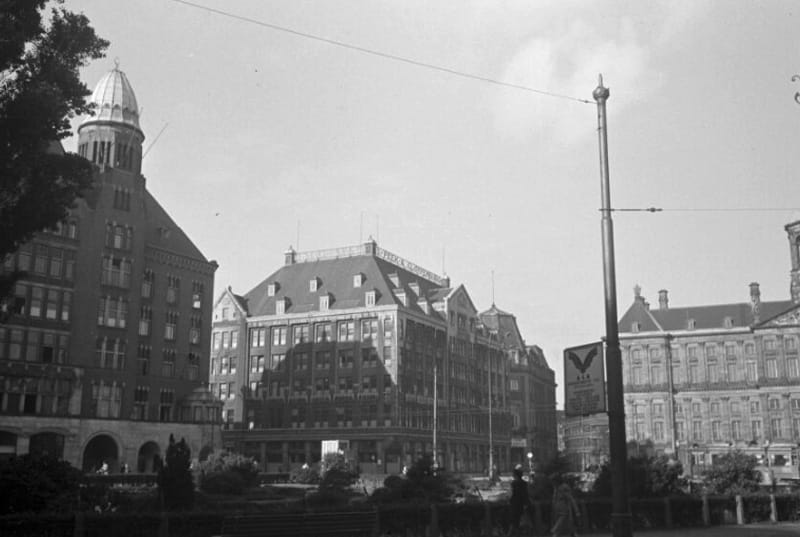
Dam Square, looking towards Rokin.
Image: BeeldbankWO2.nl
The Transport
On 28 January 1943, Nathan and Else were summoned for transport, unaware that they would be put on the same train. They were marched on foot to the station. There, Else caught sight of her son. Somehow, she managed to draw his attention. Even more remarkably, Nathan was able to join the group of women: with a handkerchief tied around his head, he looked like a woman, and so mother and son ended up together in the same compartment of the steam train bound for the east.
Nathan sat by the door and managed to force it out of the lock. A Dutch railway guard—later identified as Mr Jooren—saw what was happening. He nodded, fiddled with the lock while a German guard wasn’t watching, and left the door ajar.
Once the train was moving, Nathan noticed that it slowed down at every station and, when pulling away, produced huge clouds of steam. He remembered his promise: “We’re not going to Germany.” This was the moment.
Nathan jumped. His mother hesitated, but he grabbed her hand and pulled her with him.
On 28 January 1943, here—on this very spot—they quite literally made the leap to freedom.
Nathan sat by the door and managed to force it out of the lock. A Dutch railway guard—later identified as Mr Jooren—saw what was happening. He nodded, fiddled with the lock while a German guard wasn’t watching, and left the door ajar.
Once the train was moving, Nathan noticed that it slowed down at every station and, when pulling away, produced huge clouds of steam. He remembered his promise: “We’re not going to Germany.” This was the moment.
Nathan jumped. His mother hesitated, but he grabbed her hand and pulled her with him.
On 28 January 1943, here—on this very spot—they quite literally made the leap to freedom.
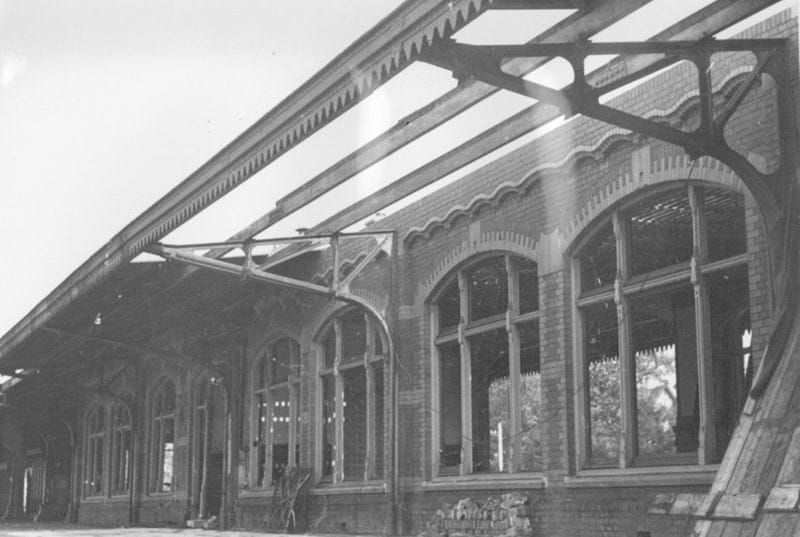
View of the N.S. station Dieren-Doesburg in Dieren, destroyed during the war.
Image: Oorlogsbronnen.nl
Help and Resistance
After their escape, Nathan and Else were taken in by members of the Dieren resistance, who cared for them and in doing so saved their lives once again. They found shelter, among others, with Father Koets, who took them in when they unexpectedly appeared at his door. They were then hidden for several days by Toon and Dien Smulders. Dr Vermeer played a crucial role in arranging their further transfer to the Limburg resistance.
After several extremely tense days, they safely reached the harbour of Born in Limburg, where they were reunited with Nathan’s father. There they went into hiding for almost a year and a half on the ship of Kees and Lieske Zwaans—also courageous members of the resistance—until liberation.
Nathan kept his promise. They did not go east.
After several extremely tense days, they safely reached the harbour of Born in Limburg, where they were reunited with Nathan’s father. There they went into hiding for almost a year and a half on the ship of Kees and Lieske Zwaans—also courageous members of the resistance—until liberation.
Nathan kept his promise. They did not go east.
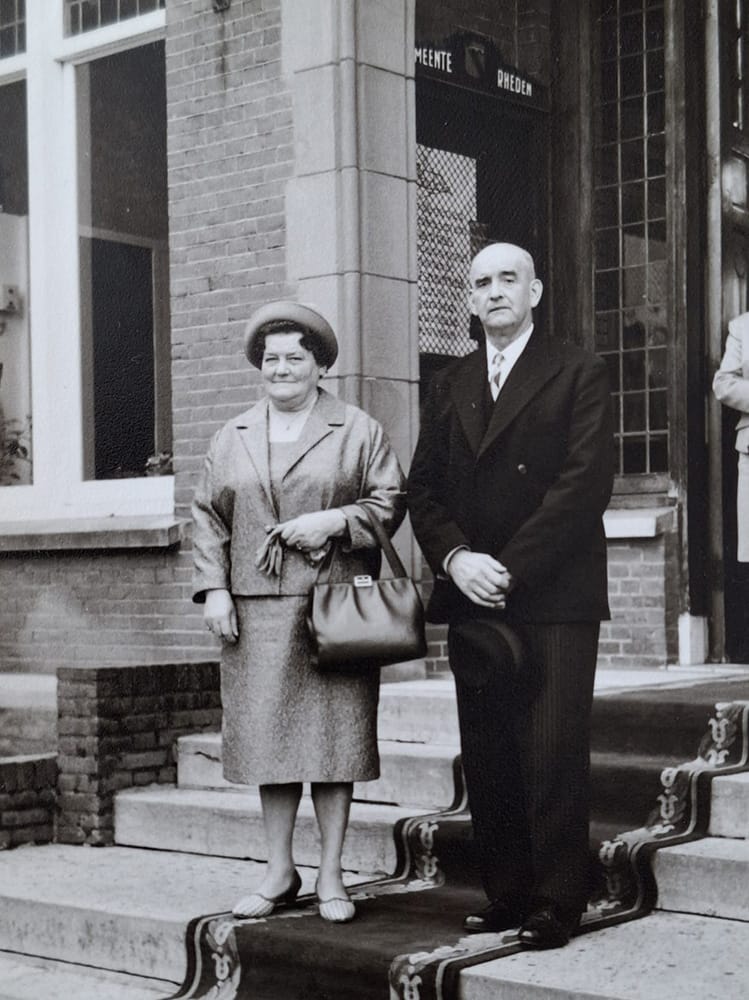
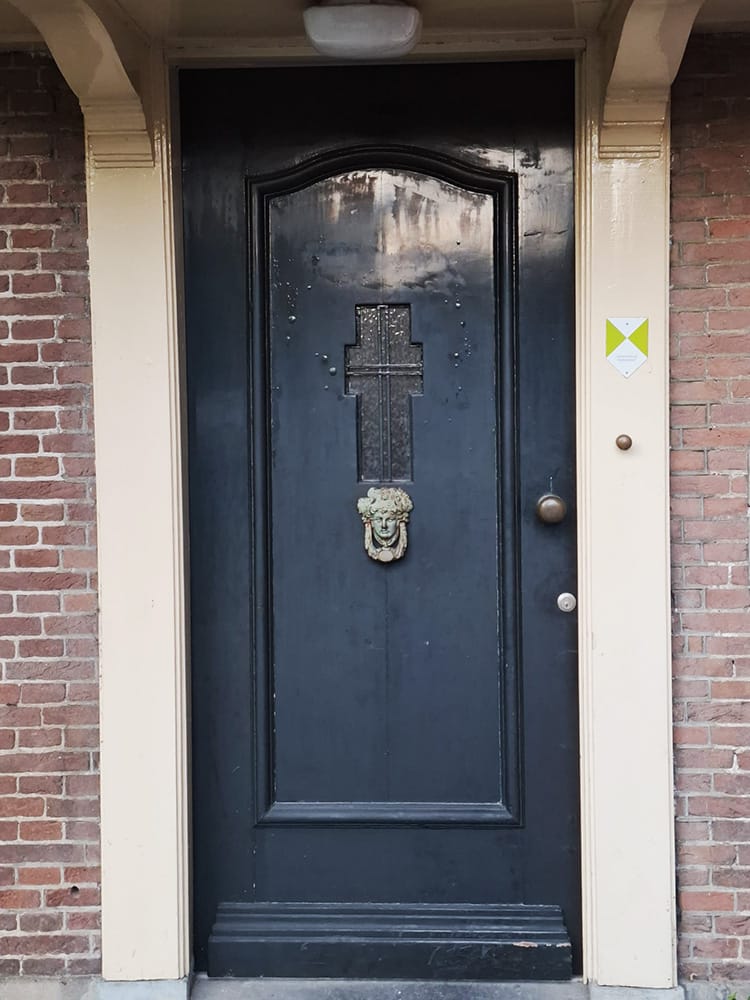
On the left Toon and Dien Smulders. / On the right, the original door of the presbytery.
Nathan's Story
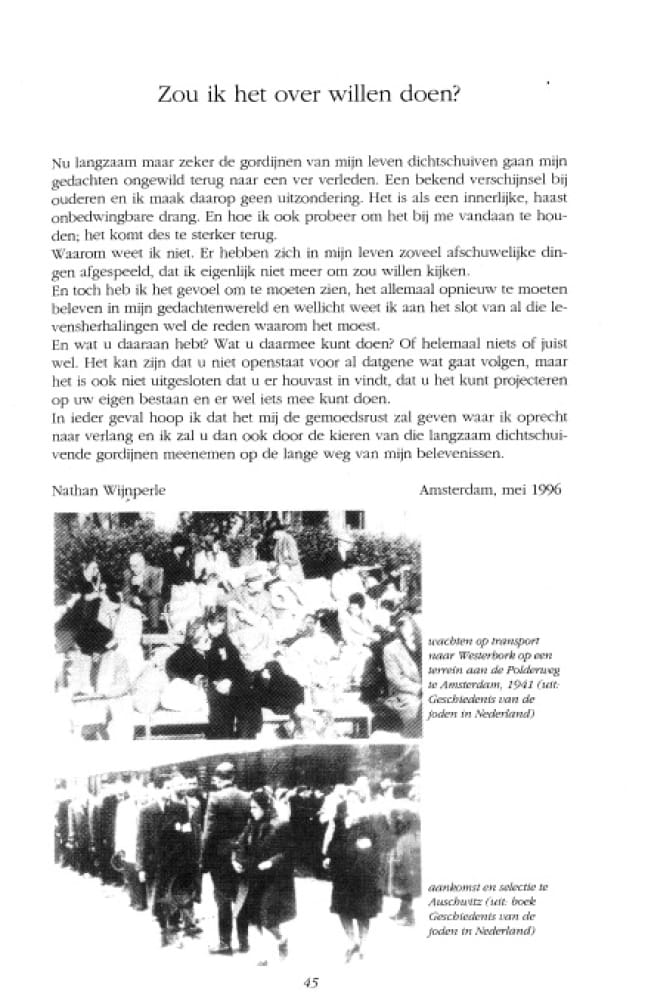
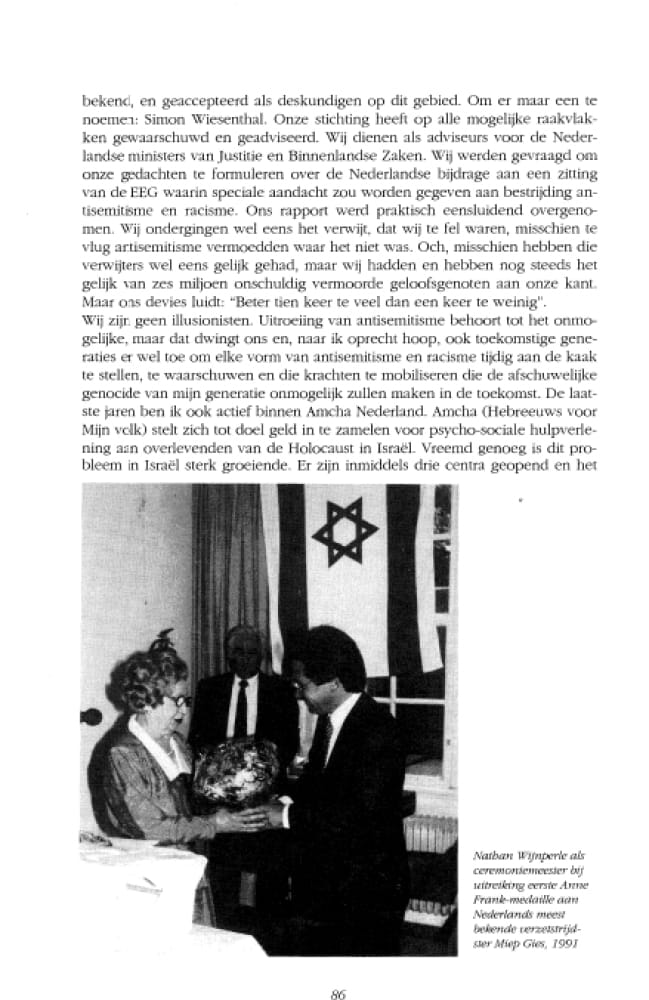
Later in life, Nathan wrote the book 'Zou ik het willen overdoen?' ('Would I Do It Again?') In this autobiography, he also describes this period of his life in detail. Read more here about his history and life story.
Download PDF (3,8 MB)
The monument
This monument is a tribute to the courage of all those who risked their lives to save others. It keeps a piece of history alive – a dark chapter that must not be forgotten. May this story help sustain awareness and the hope that what happened here will never happen again.